
This month we observe World Mental Health Day, a time to bring attention to mental health and encourage conversations that too often happen quietly, behind closed doors. This year we can choose to focus on lived experience as an important reminder that mental health is not simply something discussed in an office or written in a medical record. It is something people live with every day.
For those of us who work in mental health and addiction treatment, that reminder matters. So does the reminder for anyone who has ever received a diagnosis: you are more than the words written on a piece of paper.
A diagnosis can be an important turning point. For some, it finally provides an explanation for years of confusion or pain. It can open the door to treatment and help make sense of struggles that may have felt confusion for a long time. But a diagnosis is not a person. It is one piece of information about a much larger, more complicated life. Sometimes that distinction gets lost.
When someone has lived with depression, anxiety, PTSD, or a substance use disorder for years, it can become difficult to separate the condition from the person. Family members may begin to see the diagnosis first. Professionals, despite best intentions, can become focused on symptoms, treatment plans, and measurable progress. The person receiving care may eventually begin to see themselves through that same narrow lens. “I am depressed.” “I am an addict.” “I am broken.”
Those thoughts can feel convincing during difficult periods. But they don’t tell the whole story. Behind every diagnosis is a person with relationships, interests, memories, disappointments, and dreams. There is a parent, spouse, child, friend, or coworker. They had a life before the diagnosis and will continue to have one beyond the difficult chapter they are experiencing now.
There are also strengths which sometimes are easy to miss because symptoms and crises demand so much attention. Yet the person who gets out of bed on a difficult morning has demonstrated something. So does the person who keeps an appointment when they would rather stay home or the person who reaches out for support instead of isolating or returning to substances. Recovery is made up of moments like these.
The Importance of Being Seen
For professionals, looking beyond a diagnosis does not mean ignoring symptoms or minimizing the importance of treatment. Clinical knowledge matters. So do medication, therapy, accountability, and evidence-based care. But they do not replace knowing the individual sitting with you. What matters most to this person? What are they afraid of losing? What do they want back in their life? What is their why? Those questions reveal things a diagnosis cannot.
Two people can have the same diagnosis yet completely different needs. One may be worried about losing a job. Another may be trying to repair a relationship. Someone else may be struggling with loneliness, trauma, or the challenge of getting through the day. Good treatment makes room for those differences. Sometimes the most valuable thing we can do is listen long enough to understand what the person actually needs.
The Value of Lived Experience
Another form of knowledge that deserves focus is lived experience. Professionals bring education, training, and clinical expertise. People who have experienced mental illness or addiction bring something different. They know what it feels like to live through the experience, the fear that can come with asking for help, the uncertainty of walking into treatment, the frustration of a setback, to question whether change is possible. They also know the relief that comes when things finally begin to improve. That perspective matters.
For people receiving treatment, speaking honestly about what they need can be intimidating. But their experience belongs in the conversation. They have the right to ask questions, express concerns, participate in decisions about their care, and identify when something isn’t working. Recovery should not simply be something that happens to a person. Whenever possible, they should have a voice in building it.
At Sahara Wellness Center, this is the philosophy we try to practice every day. Every person who walks in arrives with a different history, different challenges, and different goals. Our job is not simply to diagnose and treat. We work to understand the person living with the diagnosis, listen to what matters to them, and work alongside them toward the life they want to build.
Seeing the person beyond the diagnosis means remembering why mental health care exists, to help people live fuller, more meaningful lives. A diagnosis may help explain where someone has been, but it does not determine where they can go. The goal is not simply to reduce symptoms or check boxes on a treatment plan. It is to help people reconnect with themselves, their relationships, their purpose, and the parts of life that matter most to them. When we take the time to see the whole person and not just their symptoms, we give them room to recognize their own strengths, reconnect with what matters and imagine a future that is not defined by a diagnosis. Behind every diagnosis is a person. And every person deserves to be seen.
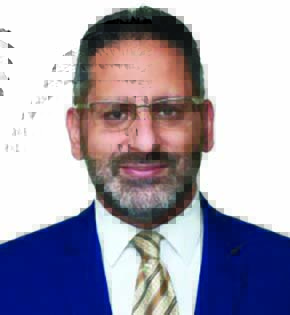 Ramsen Kasha, MBA, MS, LPC, has been in the field of addiction treatment and mental health since 2000. He is Chief Clinical Officer at Sahara Wellness Center.
Visit saharabehavioralhealth.com/sahara-wellness-center