


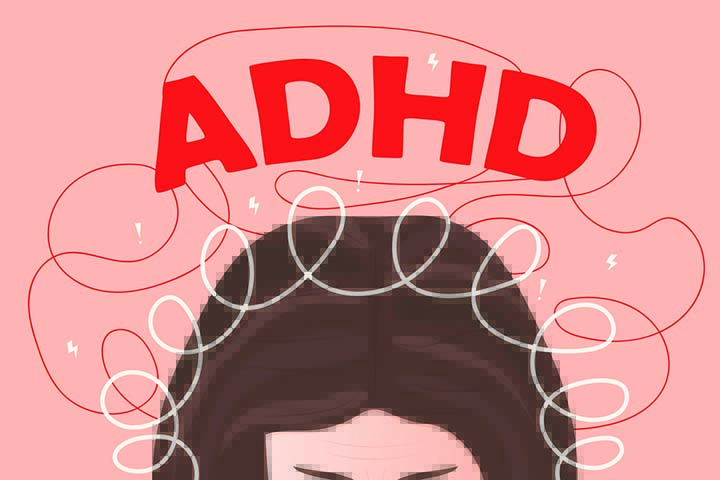
On today’s To Do List: Unload the dishwasher and put the dishes away. On the way to the kitchen, I spy a deer outside my kitchen window… “Oh look a deer. Let’s go outside.” Gets distracted and decides to weed the garden and trim the shrubs which takes an hour and a half. Goes back inside and realizes the laundry needs to be done, so starts a load of laundry. Then decides, “Hey, I’m hungry so I’ll make some lunch.” Three hours later the dishwasher is still not unloaded, laundry is in the washer and still needs to be dried.
Does this sound like you? Do you know somebody who does this on a regular basis? If so, you or someone you know may have Attention Deficit Hyperactivity Disorder, otherwise known as ADHD. In adults, Attention Deficit Disorder: ADD.
Do you have a hobby graveyard? You have 20 different interests and a room for all your hobbies and projects, but none ever get the full attention? For example: you might like to go fishing — own four fishing poles, a boat, three pairs of gear, and five tackle boxes. But you fish twice a year. Your room may also contain a lot of crafting supplies, games, musical instruments, and projects you started several years ago, but nothing is finished. Maybe you find yourself totally fixated on one of your hobbies and can lose track of time, because you really enjoy what you are doing. You look at the clock and six hours have gone by, without you realizing it. This is called hyperfocus, a symptom of ADHD.
People of all ages are affected by ADHD, which causes difficulties in staying organized, finishing tasks, restlessness, and acting on impulse. The flip side of ADHD is that people are generally very creative, imaginative, quick thinkers, and great problem solvers. It can be difficult to diagnose, as it can have many similar symptoms to anxiety or depression.
October is ADHD Awareness Month. The goal is to educate the public about ADHD, reduce the stigma for children and adults, and to highlight its connection to mental health. For many years, ADHD was just a diagnosis for children and teenagers. In the DSM-5, Adult ADHD is now recognized, which can be a game changer for adults struggling with the symptoms listed above.
Many adults with ADHD are also diagnosed with a co-occurring mental health disorder (anxiety, depression, bipolar disorder, a substance use disorder). This can make life challenging, trying to balance all the neurochemical changes and imbalances in one’s brain, while regulating your emotions.
Other daily stressors can include chronic disorganization, difficulty with time management, and task avoidance— which can affect a person’s self-esteem, cause strain on their relationship with a loved one, and have a significant impact on their overall well-being.
Coping Strategies for Living with ADHD
A diagnosis of ADHD is manageable and usually involves pharmacotherapy. This is a combination of psychiatric medication management and individual therapy sessions with a mental health professional. The medication will help rewire the brain, as ADHD is a neurological condition. The therapy can help retrain the brain and introduce new, healthy, and helpful coping skills to add to the daily routine. Here are a few to try:
Set a timer: Use a timer, a physical or digital one, to make time visible and help you stay on a particular task for a set amount of time.
Add buffer time: Estimate the amount of time a task will take and add 10-30 minutes to account for distraction.
Put everything in its place: Have a designated spot in the home for shoes, keys, glasses, wallets, bills to be paid, etc. If not, you may find your keys in the fridge, your shoes in the washer, and your wallet on the bookshelf in the basement.
Minimize your external distractions: Use noise cancelling headphones, face your desk away from windows, turn your phone off when you really want to focus and complete a task. If music helps you focus, turn it up to improve concentration.
Limit your nighttime screen time: Don’t use your phone, tablet, or whatever other blue light screen you own, at least 60 minutes before bed. This will also help regulate your sleep, as your brain will learn that it is time to go to sleep as it gets darker in your home.
Regular Exercise: Boost your dopamine levels by working out! This improves attention and executive functioning.
Have someone come and sit with you: If you are really struggling to maintain focus, get motivated to do a task (clean, organize your office, pack for vacation), call a friend to come and sit. The friend does not need to actually help you do the task at hand; they just need to sit and hold you accountable. Tell the friend to bring a book to read while they sit there and help you complete the task. This may sound bizarre, but it works. Accountability is key, and just having a supportive person present can do wonders for the person struggling to maintain focus on their desired task.
Try some of these coping skills, even if you do not struggle with ADHD, they can be helpful tools for everyone. Share this with a friend or family member that might be struggling and encourage them to meet with a mental health professional to get an assessment. The more knowledge everyone has, the more effective helpers we can be for each other!
 Amy Tilley, PsyD. has 20 years in the mental health and addiction recovery field. Her clinical interests include working with young adults and adults diagnosed with co-occurring conditions.
Visit https://desertstararc.com or call 520-638-6000.