

November is here. And so are all the holiday events for the next several weeks. Work parties, school events for your children, Friendsgiving, cookie exchanges, white elephant parties, and family events. How do you fit so much into your calendar? Where is there enough time to “do all the things,” attend all the events, and still have time to decorate your home, prepare for your own gathering, and leave time for yourself in all this hustle and bustle?
Amid the busyness of the holiday season, we can get so preoccupied that we tend to put things on the back burner, like our mental health and the need to rest and recharge. Holidays can bring up additional feelings and symptoms that make it more difficult to go about our days. Sometimes, there may be added pressure to “show up” and be happy at every family gathering. This can lead to increased stress and anxiety. You may notice that you have a more difficult time sleeping or focusing during the holiday season. Recognizing these symptoms early on can be a protective factor and allow you time to make a plan for yourself that benefits your mental well-being.
“Amid the busyness of the holiday season, we can get so preoccupied that we tend to put things on the back burner, like our mental health.”
When you plan out your calendar (most of you probably have the calendar full already), schedule in time for yourself. Take an hour or two to unwind. Turn off your phone, put away the laptop, and say ‘no’ to other obligations. If we don’t prioritize our mental health every day, then we are no good to ourselves or anyone else.
There are benefits to setting clear boundaries and making rest and taking an ‘adult time out’ on a regular basis. The holiday season is stressful enough; we do not need to add to it! When you are preparing for a family gathering, an office event, hosting your own party, or a Christmas program at your child’s school, take these tips into consideration. They will help you balance the chaotic holiday season and those people in our lives that may make the next few weeks a little more challenging.
Focus on gratitude: this helps create a sense of connection with others in your support circle. It can build emotional strength, reduce symptoms of anxiety, and allow them to navigate daily stress and difficult challenges together.
Spend time with loved ones who are truly supportive and care about you. This provides a sense of comfort and safety.
Set limits: you can decide how long you stay at a gathering and who you choose to socialize with at the event. It can be helpful to communicate to the host when you need to leave, making the exit less abrupt.
Ask the host how you can help: maybe you can set the table, chop some veggies, or clean up after the meal. This gives you some control while you are at the event and can help lower feelings of anxiety or overwhelm.
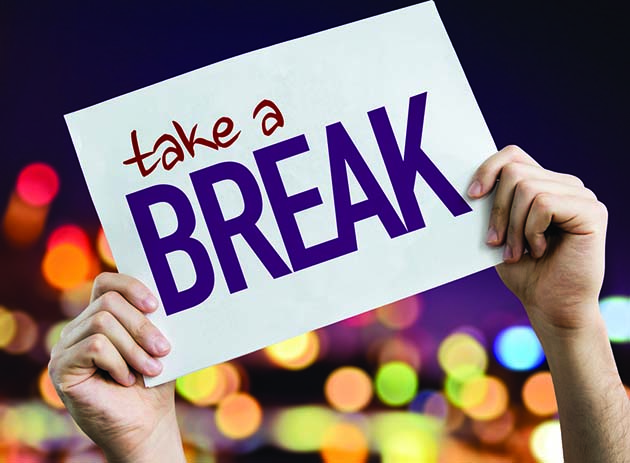
Take breaks: if you feel that you are getting overwhelmed at an event, step outside or find a quiet space for a few minutes to regroup. I am a big fan of adult time outs, as they allow us time for ourselves and to use coping skills that may be helpful to ground us.
Adjust your expectations: you don’t need to create the “perfect” holiday, and your home does not need to look like Martha Stewart designed it.
Manage finances early: set a budget for each event you are hosting or going to and try not to falter from it. Expenses include travel, gas, hostess gifts, and your own time.
Keep a gratitude journal: take time each day to write down three things you are grateful for. This helps foster a more positive mindset, reminds you of the good in your life, even during those challenging days. I have done this for over five years, right at the end of my day, and I can say that I sleep better and it ends my day on a positive note, remembering the simple things that made that day better.
These last two months of the year can be stressful, but they can also be memorable at the same time. Planning ahead to meet your and your family’s needs can be an important step to maintaining mental well-being and enjoying all the hustle and bustle of a full calendar, time with extended family and friends, and the joy of the holiday season.
 Amy Tilley, PsyD. has 20 years in the mental health and addiction recovery field. Her clinical interests include working with young adults and adults diagnosed with co-occurring conditions.
Visit desertstarARC.com or call 520-638-6000.