


Most people who have spent any real time in the recovery space have heard the Serenity Prayer. God, grant me the serenity to accept the things I cannot change, the courage to change the things I can, and the wisdom to know the difference. You hear it in church basements and treatment centers, see it on coffee mugs and wall hangings, in rooms full of people trying to put their lives back together. It has become so familiar that it’s easy to let the words wash over you. But sit with them long enough and they stop being a prayer you recite and start being a question you have to answer. What can’t I change? What can I? And do I have the wisdom to tell the two apart?
I have worked in the healthcare industry in some capacity for almost two decades. And it was inside the industry that I saw the gaps — the moments where someone reaches out for help and the support isn’t there. Instead, they fall through the cracks. I watched it happen many times, and for a long time I wondered what could be done to change it.
I have always been an entrepreneur at heart. I’m wired to look at a problem and ask how I could move the needle — not just to patch it, but replace the system that keeps producing the same heartbreak. That instinct was always there. But an instinct isn’t enough. Seeing a problem clearly is not the same as having the courage to ask God for His grace to do something about it. What changed everything for me wasn’t just my ability to see the gap. It was the fire to close it, and the people around me willing to build alongside me.
Back in 2018, that fire became personal — my cousin passed away from addiction. And I wondered, would he still be here today if the support was there? In that moment, something in me settled into a conviction I have not been able to shake since. Access cannot be a barrier when lives are on the line. When someone finally reaches the point where they are ready to ask for help, readiness is everything — and the response has to be there to meet it.
With the support of a founding team who believed the same thing, we began to build. Not a product, but a better way for people to get in the door when they need it most, and to be met with real care once they’re inside. We called it Bumblebee Health. It was fueled by heart before it was ever fueled by anything else.
Here is what we set out to make true
When someone arrives at that vulnerable moment — ready, willing, present — they don’t lose that moment because an evaluation isn’t available. We make sure a medical provider and a psychiatric provider are talking to each other, working together on outcomes and medication management, oriented around the same goal: helping the programs we serve and the people in them get their lives back.
It has been one of the greatest blessings of my life to watch what happens when you step into a real need and simply meet it. Because it never stops with one person. When someone begins to heal, that healing ripples outward — into a marriage, into a family, into children who get their parent back, into a whole network of people who love them and had been holding their breath. You don’t always get to see the ripple. But you know it’s there. That’s what keeps us dedicated to this work, and to growing it, because we believe everyone deserves to be met with dignity and availability at the moment it matters most.
We still have a long road ahead. I know that. This is not a finished story, and I’m not interested in pretending it is. But it is a road worth walking — each day, each door, each life. To accept what we could not change would have been the easier path. We chose the other one.
The courage to change the things we can.
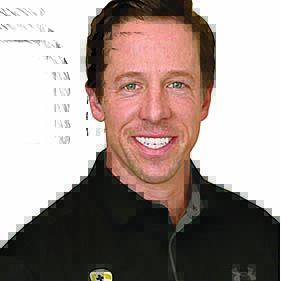 Stephen Weis is Co-Founder & CEO of Bumblebee Health.
Need to know more about Bumblebee Health?
Visit https://www.bumblebeehealth.com