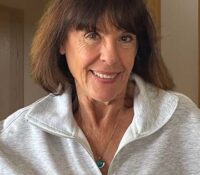
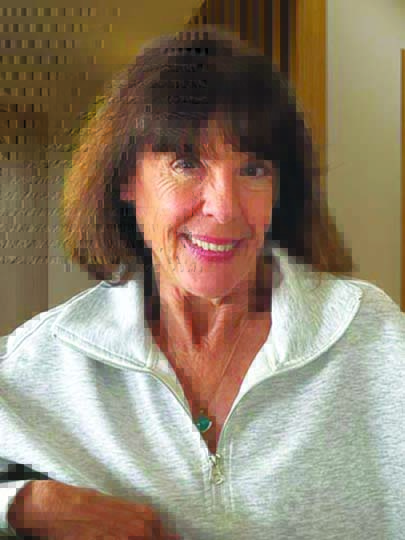
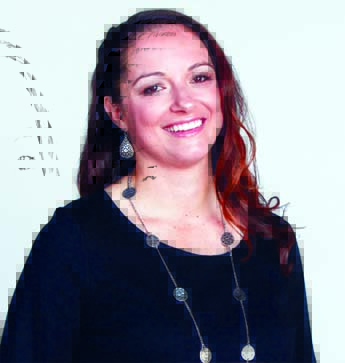

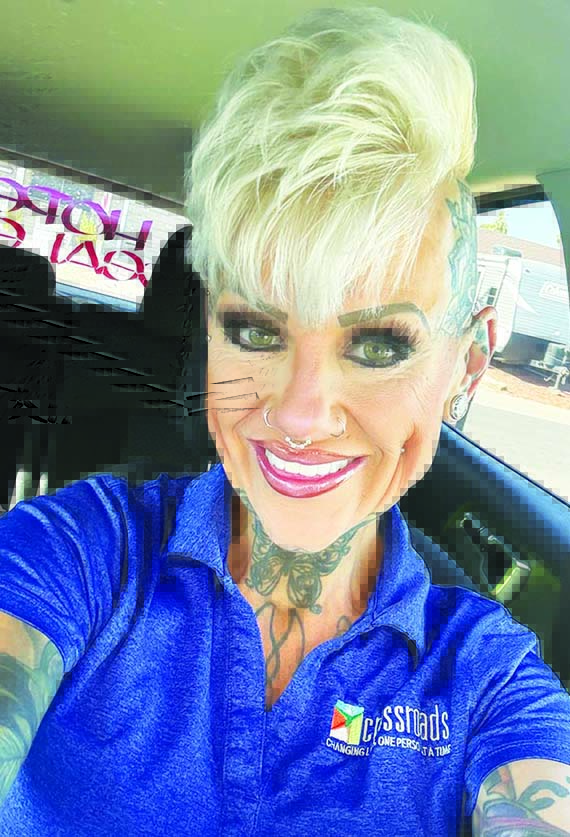
Producing this publication comes with some wonderful perks, especially getting out into the community and connecting with like-minded people in the behavioral health and addiction recovery field. At the core, we are all about helping others, being of service, and offering hope. That is Christin’s true purpose in life.
When we met at a networking event over six years ago, we hit it off instantly. Christin is one of the most generous, kind-hearted women I know.
She’s incredibly open about her own path to recovery, which had its share of many rough patches. Yet through every single up, down, scrape, and burn, she has emerged as a powerhouse of positivity (with the perfect tagline: “Hope Dealer”).
She brings this incredible energy to her role as Communications and Outreach Manager for Crossroads, Inc. and as the host of the Recovery On Air podcast. Thank you for sharing your journey Christin! — Barbara
 Through your work at Crossroads, you’ve become an inspiration to the recovery community. Looking at your life now, did you ever imagine you’d be where you are today?
No, I honestly never imagined I’d be where I am today. There was a time when addiction had completely taken over my life, and I couldn’t see a future beyond my next fix. If someone had told me then that I’d be sober, helping others, working in the recovery field, and sharing my story to inspire hope, I wouldn’t have believed them. Today, I get to serve others through my work at Crossroads, advocate for recovery, and show people that change is possible. One of the greatest blessings is being able to go into jails and prisons, bringing recovery meetings and sharing my story with people who may be experiencing some of the darkest and most vulnerable moments of their lives.
I have the opportunity to plant a seed of hope and show them that no matter where they are today, recovery is possible. I also get to be a mother, a wife, and a leader—roles I don’t take for granted. They remind me daily of my responsibility to live in a way that reflects the life I’ve been given. My life is proof that recovery works and that God can take even our darkest chapters and turn them into something beautiful. I don’t take any of it for granted. Every day is a reminder of how far I’ve come and how much is possible when you refuse to give up. If my story can help one person believe in a better future, then it’s all worth it. And, I manage all social media, marketing, public relations, and community engagement efforts to increase awareness of our services.
How do recovery groups, sober communities, and peer support lift you up in your daily life?
Recovery groups, sober communities, and peer support have played a huge role in my journey. They remind me that I never have to do life alone. Through accountability, encouragement, and shared experiences, I’ve found people who understand both the struggles and the victories of recovery. They keep me grounded, help me continue growing, and remind me where I came from. Today, the recovery community isn’t just part of my sobriety—it’s part of my purpose. Together, we prove every day that recovery is possible. Recovery gave me my life back, but the recovery community taught me how to truly live it.
Rebuilding trust with family and friends can be tough. What was that process like for you?
Rebuilding trust was one of the hardest parts of my recovery because I knew my words alone weren’t enough. My family and friends had heard promises before, so I had to let my actions do the talking. It took time, consistency, and patience. I had to show up, do what I said I was going to do, and accept that trust would not be rebuilt overnight. Some relationships healed quickly, while others took years. Today, I’m grateful that recovery gave me the opportunity to repair those relationships. I learned that trust isn’t demanded—it’s earned one day at a time through honest actions and living differently.
What advice would you give to someone new in recovery on handling social events where alcohol or substances are around?
My advice is to put your recovery first, especially in the beginning. It’s okay to avoid certain people, places, and events if they threaten your sobriety. Recovery has to come before everything else. Have a plan before you go, bring a sober support person if possible, and always have an exit strategy if you start feeling uncomfortable. Don’t be afraid to say no or leave early. Most importantly, remember that protecting your recovery isn’t selfish—it’s necessary. The party, event, or gathering will come and go, but your recovery is something worth fighting for every single day.
Have you had to walk away from certain relationships to protect your sobriety and peace of mind? If so, how did you handle that?
Absolutely. One of the hardest lessons I had to learn in recovery was that not everyone could come with me on this journey. Some relationships were built around drugs, alcohol, chaos, or unhealthy patterns, and staying connected to those relationships put my sobriety at risk. I had to make the difficult decision to create boundaries and, in some cases, walk away completely. It wasn’t about judging anyone—it was about protecting the life I was working so hard to build. I handled it by focusing on my recovery, surrounding myself with healthy people, and trusting that some relationships are meant for a season. Today, I understand that choosing my sobriety and peace of mind was not a loss—it was an investment in my future.
Sometimes the most loving thing you can do for yourself is walk away from what no longer serves your growth.