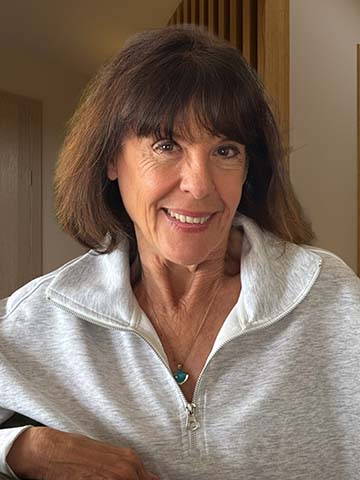
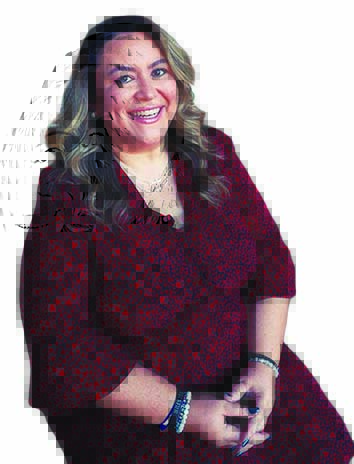
 It is a true honor to introduce my friend, colleague, and champion of recovery, Jaclyn Brown. She brings immense passion, dedication, and heart to her vital advocacy work within the mental health and addiction communities. — Barbara
Was there a specific moment or experience when you realized, “I need to be an advocate for this”?
My brother, Marc, passed away in 2018 due to a heroin overdose. Up until his death, I didn’t speak on his substance use, as it was his story to tell. However, when he passed away, I didn’t anticipate the reactions on social media. Many people were minimizing his life or death. I am the oldest of three, so my big sister instincts kicked in and my first piece of advocacy was his eulogy. I really emphasized — his manner of death should not define his life. In the few weeks after his passing, I truly began to understand the toxicity and cruelty of stigma. So, I decided to start educating myself and got into advocacy.
Any one moment in your advocacy work when you realized you were making a difference?
In 2020, I learned more about harm reduction by volunteering with Shot in the Dark, which is a local syringe service program. I became the Volunteer Coordinator and ran a site in Tempe on Friday nights with my husband. We had an amazing crew of volunteers from all walks of life: people in recovery, affected family members, students in med school, nurses, people in active drug use, etc. We served about 100 participants every Friday night and I remember a woman who came to the site, and just asked for naloxone. I explained how to use it and that she could always come back for more if needed. I found out a few weeks later she ended up using the Naloxone I gave her and she saved her daughter’s life. The cruel irony of this is that — I didn’t learn about Naloxone until after my brother passed away. He had pursued treatment multiple times and not a single person mentioned Naloxone to my family. My goal in advocacy is to provide as much information and education as possible, that I wish was available to us when he was alive.
If you could change one thing about the world through your work, what would it be?
I would want everyone to have the gifts of reflection, empathy, and compassion. In our current world, there are so many people who lack these qualities, which leads to more harm and stigma. We are spending so much time pointing fingers that we are completely missing the plot. Identifying the root of the problem with real solutions is much more important than who is to blame. The past cannot be changed, but we can affect the future.
Looking at the big picture, what kind of impact do you hope your advocacy work ultimately leaves behind?
I have truly never even thought about this, so this was the hardest one to answer! My advocacy work has evolved over the years; I started as a family advocate and spoke up about the stigma and collateral damage many family members endure. When I was with Shot in the Dark, I spoke up about harm reduction and the importance of syringe service programs. In my time at Mobilize Recovery, I have spoken up about the importance of grassroots advocacy, organizing, collaboration, and community building.
In the last couple of years, I have prioritized my own healing and in turn, have been speaking up about C-PTSD, EMDR, and late diagnosed neurodivergence. I say all this to say: I hope my work is a reminder that there are a lot of issues worth speaking up about and fighting for.
Tell us about your work with Mobilize Recovery and their role in the upcoming GXC conference this December.
One of my many hats with Mobilize Recovery (and in life) is community organizing. The Global Exchange Conference is held annually, but this year, Mobilize Recovery has partnered with GXC to bridge the clinical and treatment worlds with the advocacy and grassroots worlds. The event will be in Las Vegas, NV at the MGM Hotel and Casino from December 6 – 9, 2026. There will be a dedicated track of advocacy/leadership focused sessions for Mobilize Recovery. It is our first time partnering with GXC, so we are excited to see how this hybrid of worlds will come together. If you would like to attend or learn more, please check out: https://gxclive.org/
For someone who feels a fire to change things but isn’t sure where to begin, what’s the first small step they can take?
I would suggest looking for nonprofit and grassroots organizations that are doing work in your city, in an advocacy area that you are passionate about. Start small and take some time to volunteer with that organization. I believe that learning about the issue through the perspective of people closest to the problem is a great starting point.
Jaclyn Brown is the Owner + CEO of Stay Golden Coaching & Consulting. She is also a Community Organizer for a national nonprofit, Mobilize Recovery. In 2021, she left a 15 year career in the insurance industry to pursue her passions of coaching and advocacy. At Stay Golden, she creates workshops focused on personal empowerment, leadership development, and camaraderie building. Jaclyn hosts her own podcast “Dark and Enlightened,” where she has open and honest conversations with guests to shed light on dark and stigmatized topics. She lives in Mesa, AZ and loves hanging out with her husband and dogs, creating art, eating tacos, and binge watching Netflix reality shows to decompress.