


June is Men’s Mental Health Awareness Month, giving us an opportunity to focus on a topic often overlooked: the ways cultural expectations of masculinity can make it harder for men to seek help. Conversations around “toxic masculinity” have gained prominence, but the label itself can sometimes alienate the very men who most need support. A more productive approach is to examine specific traits. Traits like emotional suppression, hyper-independence, rigid stoicism, and aggression that, when extreme, create barriers to mental wellness. This shift in language can open doors to care while honoring the complexity of men’s experiences.
Society has celebrated certain stereotypically identified masculine traits like courage, independence, and resilience. However, these qualities carry unintended consequences when taken to an extreme. Many men grow up learning that vulnerability is weak or that they must handle life’s challenges alone. Eventually, these lessons can shape behavior in ways that limit emotional expression and discourage seeking professional help. The traits themselves are not inherently harmful. It is the rigid expectations around them that can create risk.
The statistics are staggering. Men are nearly four times more likely to die by suicide than women, yet they are significantly less likely to engage in therapy. According to the American Psychological Association, societal pressures coupled with the stigma surrounding mental health contribute to this gap. By focusing on specific behaviors rather than labeling masculinity as “toxic,” we create language that is less judgmental, more actionable, and more inviting for men to consider change.
Take emotional suppression for example. Many men are socialized to “tough it out” or “man up.” Often, men are taught the only appropriate emotions for them to feel are happiness or anger with all other emotions getting lumped in as “feeling bad” or worse yet, feeling “ok.” This severely limits the emotional vocabulary and can create a barrier to healing even if the person is involved in a therapeutic environment. While resilience is valuable, chronic suppression of emotions can lead to increased stress, anxiety, and even physical health problems. Men may feel isolated, believing admitting vulnerability signals weakness. By framing this as a pattern to watch rather than an inherent flaw of masculinity, we give men permission to explore feelings safely and seek support when needed.
Hyper-independence is another trait with a double edge. Valuing self-reliance can foster problem-solving and accountability, but to an extreme, it can discourage men from reaching out for help. Therapy, peer support, and open conversations about mental health may be seen as signs of failure rather than strength. Reframing help-seeking as a courageous choice, rather than a betrayal of identity, can change the way men view mental health care.
Anger and aggression are often highlighted in discussions of masculinity. Expressing anger is a natural human response, yet when left unchecked or done unhealthily, it can damage relationships and exacerbate mental health struggles. Encouraging men to channel emotions constructively without implying their identity is flawed can reduce stigma and promote healthier coping strategies.
Language is critical. Phrases like “toxic masculinity” can feel accusatory, shutting down dialogue before it begins. It can create a feeling that it is the “masculinity” that is toxic as opposed to the behaviors. When we (regardless of gender) perceive judgment, we are more likely to disengage, leaving mental health initiatives less effective. Shifting the conversation to focus on specific behaviors and cultural pressures allows men to reflect and respond without feeling attacked. This creates a more inclusive space for intervention and growth.
Practical steps can reinforce this approach. Workplaces, schools, and communities can normalize peer support for men. Highlighting real stories of men seeking help and thriving can challenge stereotypes and show vulnerability as a sign of strength. Mental health professionals can emphasize that addressing traits is about skill-building and resilience, not rejecting masculinity. These strategies make mental health care more approachable while reducing fear of judgment.
Ultimately, the goal is to create environments where men feel safe acknowledging struggle and seeking support. By examining traits rather than labeling identity, we make mental health care feel less threatening and more empowering. Men can maintain courage, independence, and determination while also embracing reflection, emotional awareness, and connection.
Men’s Mental Health Awareness Month is a reminder that mental health is a universal concern, not a gendered weakness. Positive as well as “toxic” traits exist regardless of the gender, as does the need for support and healing. By focusing on behaviors and cultural expectations, we dismantle the invisible barriers that keep men from seeking help. Encouraging men to prioritize emotional health strengthens not only individuals but families, workplaces, and communities.
Seeking help is not a sign of weakness but rather an act of courage. Recognizing traits that can limit well-being allows men to live fuller, healthier lives. By shifting the conversation from labels to behaviors, we create pathways to care that are welcoming, inclusive, and empowering. The challenge is clear: redefine strength, expand the definition of masculinity, and make mental health a priority for men everywhere.
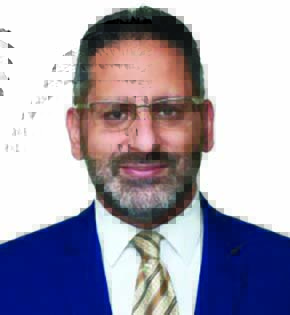 Ramsen Kasha, MBA, MS, LPC, has been in the field of addiction treatment and mental health since 2000. He is Chief Clinical Officer at Sahara Wellness Center.
Visit saharabehavioralhealth.com/sahara-wellness-center