
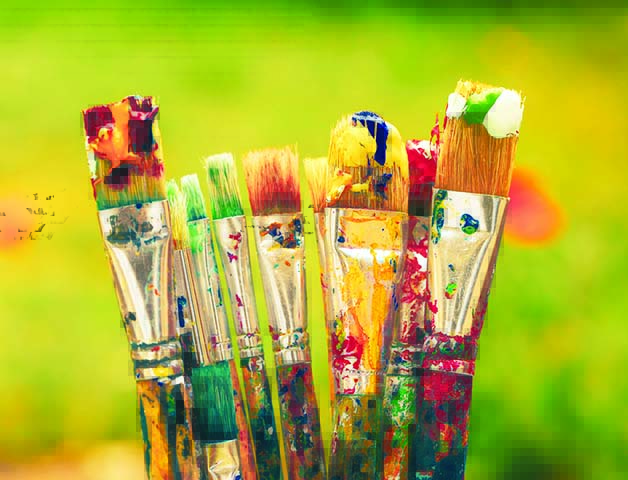

There is a growing focus on wellness activities using creativity as self-care. Making artwork can increase feelings of satisfaction through the reduction of stress and increased self-expression. It can create a flow state similar to that found during meditation and mindfulness activities. While the increase in art as a healing tool can benefit all who use it, the growing popularity of wellness art has created confusion by blurring the lines between creative activity and mental health treatment.
Coloring books marketed as “Art Therapy Coloring” have added to these misunderstandings. The distinction between Clinical Art Therapy and wellness-based Therapeutic Art making is important. While both utilize the creative process to improve well-being, they differ fundamentally in their professional requirements, goals, and the nature of the practitioner-client relationship.
Therapeutic art, or art as therapy, includes any intentional creative activity that supports stress relief and a positive mental state. It is not psychotherapy and does not require a licensed therapist. It can be done independently or facilitated in a group session by artists, life coaches or educators.
Art therapy is a mental health treatment delivered by a Master’s level trained art therapist which integrates counseling theory and creative processes to address specific mental health concerns. To become a registered art therapist (ATR) after graduating with a master’s degree, art therapists complete a minimum of 1,000 hours of direct client contact with 100 hours of clinical supervision from a board certified registered art therapist (ATR-BC) or an independently licensed mental health clinician (LPC, LCSW).
Art therapists take into consideration the diagnosis and psychosocial history of their clients to create treatment plan goals. They are paying attention during sessions not just to the image created and verbal expressions of the client, but also to the client’s choice of art media, amount of energy used to create artwork, sensory needs and other non-verbal communication expressed during the process of creating. Art therapy is not a theoretical orientation as art therapists may design a session or intervention based on many different counseling theories.
For example, a cognitive behavioral art therapist may focus on creating artwork with a goal of identifying cognitive distortions while an art therapist working from the lens of attachment theory may focus on using art to identify and repair attachment injuries.
As of 2017, art therapy is a title protected profession in the state of Arizona. This means that only those with active national credentials through the Art Therapy Credentialing Board (ATCB) can use the title “art therapist.” This may call into question for some the difference between a counselor who uses art and an art therapist. For a clinician using art, the art is used to facilitate dialogue and is used as a supplemental activity to aid verbal communication. The material choice is often guided by what is available and uses common art materials. In the setting of art therapy, the imagery is seen as a reflection or extension of the client; a visual language to communicate inner experience.

iStock Credit: netrun78
The artwork becomes less something to talk about and exists as a communication bridge between client and clinician. Materials used in art therapy sessions are chosen for their physical properties (media dimension variables) and how those properties relate to emotions and treatment plan goals. Art therapists work with an understanding of how to use certain materials to encourage grounding, emotional release, or increase cognitive analysis.
There are risks for counselors untrained on the nuances of media dimensions as the suggestion of the wrong material can lead to emotional flooding when containment was indicated, or increasingly “stuck” thinking patterns when emotional processing or sensory experiencing would create more progress.
There are benefits to art making in a wide variety of settings and understanding the differences is essential in finding the most beneficial path. There are a few questions that can be asked to discover what art experience is going to be a best fit. What do I hope to get out of this session? What level of support am I looking for?
The intent of an art therapy session is structured around a treatment plan with clinical goals (i.e. processing PTSD, reducing symptoms of depression, relapse prevention) while the goals of therapeutic art can be more open ended and centered on relaxation or satisfaction. In art therapy, a trained clinician can help to decode symbols and work through ‘stuck’ emotions that cannot be expressed in words. A therapeutic art class may provide support with the art material, but not the emotional content. The art created in art therapy is a documentation of therapeutic work and progress, and not intended solely as a satisfying “product,” while the art created in a therapeutic art setting can lead to increased feelings of competency and pride through learning a new craft or skill.
Understanding the differences between art therapy, art used by a therapist, and therapeutic art is important in order to make informed choices about treatment and program selection. Respecting these different options ensures that those in need of clinical help are able to find the right professionals while ensuring that the arts remain accessible to all for wellness.
Kirsten Erby has been an art therapist for 13 years and works in private practice in Phoenix, AZ. She is committed to educating the community about the profession of art therapy. Kirsten also runs The Painted Elephant, an LLC which provides creative networking and team building events. She is passionate about promoting all forms of healing through creativity, from self-care activities to community building to psychotherapy. When she is not working she is hiking, creating art and spending time with her family. Kirsten can be reached at kirsten@thepaintedelephant.com