

 Spotlight on DETOX
It’s normal to feel anxious when starting detox. What are the most common fears people have at the beginning?
As a counselor, one of the first things I hear is, “I’m scared.” People worry about how bad withdrawal will be, whether they’ll be judged, or if they’ll fail before they even begin. Many are also afraid of losing the one thing that’s helped them cope, even when it’s hurting them. These fears are completely normal. At Virtue Detox, we remind people that fear doesn’t mean weakness — it means you’re human, and you’re stepping into change.
Detox isn’t a “one-size-fits-all” process. How does a person’s overall health, the specific substance used, and history of use change the recovery timeline?
No two people walk into detox with the same body or the same story. Someone’s physical health, mental health, what they’ve been using, and how long they’ve been using all matter. That’s why detox can look very different from one person to the next. At Virtue Detox, we take the time to get to know the whole person, not just the substance, so care can move at a pace that’s safe and realistic.
Withdrawal is often described as the body “rebooting” after being suppressed by chemicals. What are the most common physical and emotional symptoms people should expect?
Withdrawal affects both the body and the mind. Physically, people may feel shaky, nauseous, sore, tired, or unable to sleep well. Anxiety, irritability, sadness, or feeling emotional and on edge are very common. I always tell clients: this doesn’t mean something is wrong — it means your system is waking back up. With the right support, these symptoms can be managed and do pass.
Why is medical supervision so important? What are the actual risks of trying to detox alone at home?
I’ve worked with many people who tried to detox on their own and ended up scared, sick, or back using just to stop the symptoms. Some withdrawals can be dangerous and even life-threatening without medical care. Medical supervision isn’t about control — it’s about safety and support. At Virtue Detox, people are monitored, listened to, and cared for so they don’t have to white-knuckle this process alone.
What is happening inside the body’s systems as it clears out toxins and starts to heal?
During detox, the body is working hard to find balance again. The brain is relearning how to regulate mood and sleep, the nervous system is calming, and organs begin repairing themselves. It’s not instant, and it’s not always comfortable, but it is real healing. I often remind people that discomfort during detox is temporary — the benefits of recovery last much longer.
What are your top tips for staying sober to avoid relapse after detox as one enters early recovery?
The biggest mistake I see is treating detox as the finish line. Detox is the doorway, not the destination. Staying connected to treatment, building support, learning new coping skills, and being honest about struggles — all matter. Most importantly, be kind to yourself — recovery isn’t about perfection. At Virtue Detox, we focus on the whole person and help people leave detox with a plan, support, and hope for what comes next.
Visit https://www.virtuerecoverycenter.com/sun-city-west-arizona/
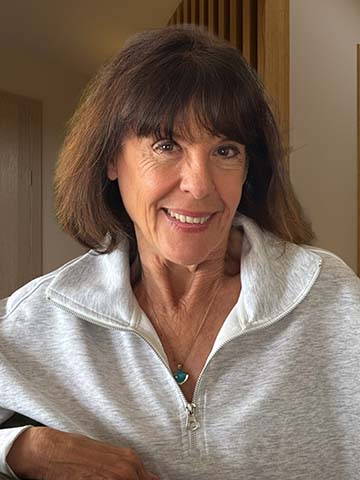
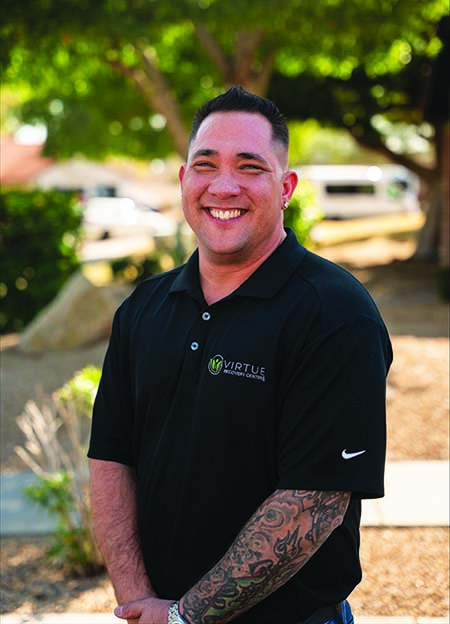
Tony obtained a master’s degree in psychology focusing on clinical and counseling psychology, holding a Licensed Independent Substance Use Counselor license through AZBBHE. Tony also holds an MBA in Healthcare Management. He has held many positions in this field, ranging from Program Manager to Chief Clinical & Compliance Officer. He uses evidence-based practices to bring new innovative treatment methods to any agency he is a part of to create a successful, fulfilling program. Tony has also been the vice president of the Arizona Board for Certification of Addiction Counselors since 2019.