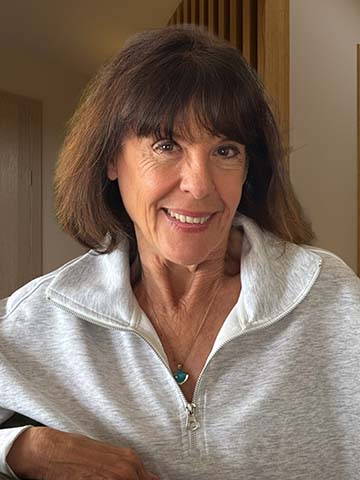



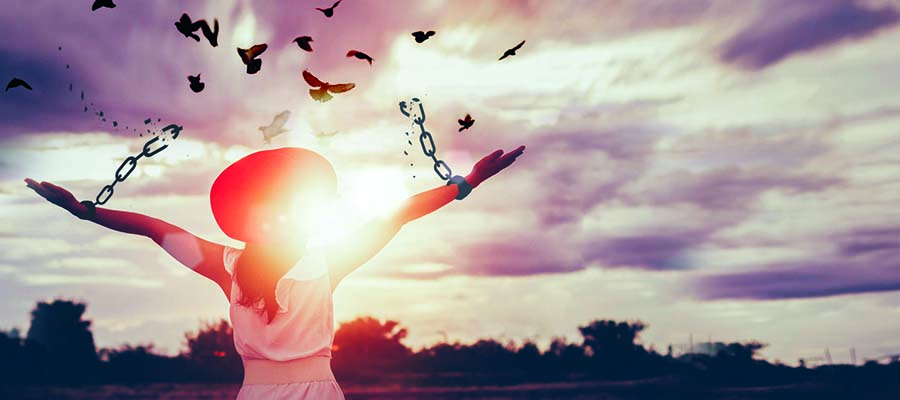
I grew up believing that strength meant surviving everything on my own. For years, I carried trauma, addiction, and hardship in silence, convinced that asking for help was weakness. That belief eventually led me down a path that ended in incarceration—an experience that broke me open, stripped me down, and ultimately rebuilt me into the woman I am today. My story is not one of perfection or easy redemption. It is a story of resilience, accountability, and the power of community. It is a story of how lived experience can become leadership, and how one voice can spark a movement.
When I entered prison, I felt like the world had given up on me. I had given up on myself too. Addiction had taken so much from me—my stability, my relationships, my sense of worth. But inside those walls, I met women whose stories mirrored my own. Women who had survived violence, poverty, trauma, and systems that punished them for the very conditions they were born into. Women who were brilliant, compassionate, and capable, yet treated as disposable. Their stories lit a fire in me. I realized that the system wasn’t broken—it was functioning exactly as designed. And if anything was going to change, it would have to start with us.
During my incarceration, I made a commitment to myself: when I got out, I would not stay silent. I would use my voice to fight for the women I left behind. I would work to change the policies that kept families apart, that criminalized addiction and mental health, and ignored the humanity of the people inside. I didn’t know how I would do it yet, but I knew I had to try.
“When I came home, rebuilding my life wasn’t easy. Reentry is a maze of barriers—housing, employment, stigma, and the constant pressure to prove your worthiness. But I stayed sober, focused, and connected.”
Navigating the Reentry Maze
When I came home, rebuilding my life wasn’t easy. Reentry is a maze of barriers—housing, employment, stigma, and the constant pressure to prove your worthiness. But I stayed sober, stayed focused, and stayed connected to the community that had held me up when I couldn’t hold myself. I found purpose in advocacy, and advocacy found purpose in me.
My journey led me to the ACLU of Arizona, where I eventually led the organizing department. There, I learned how to build campaigns, mobilize communities, and speak truth to power. I learned how to turn lived experience into strategy, and how to help others do the same. I testified at the State Capitol, trained directly impacted people to share their stories, and built coalitions that centered the voices of those most affected by the criminal legal system.
I knew there was more work to do—work that needed to be led by people who had lived it. That’s why I founded We Stand AZ, a nonprofit dedicated to empowering justice-impacted individuals through storytelling, advocacy, and community organizing. Our mission is simple: to ensure that the people closest to the problem are leading the solutions.
At We Stand AZ, we train people to tell their stories using Marshall Ganz’s public narrative framework—teaching them how to connect their personal experiences to systemic issues and policy change. We help them speak at the Capitol, meet with lawmakers, and advocate for reforms that will bring people home sooner, expand reentry support, and treat addiction and mental health as public health issues—not crimes.
One of the policies I’m fighting for today is a bill that would allow people to earn release after serving 65% of their sentence through good behavior and participation in programming. This bill isn’t just about numbers—it’s about families. It’s about mothers returning to their children, fathers rebuilding their lives, and individuals who have proven their growth being given a real chance to come home. I’m working with multiple legislators to educate the public and other lawmakers about why this matters. And I’m carrying the stories of the women at Perryville with me every step of the way.
As We Stand AZ grows, so does our movement. We are building a community where justice-impacted people, loved ones, and allies can come together to create real change. “Anyone who wants to be part of this work can get involved in meaningful ways.”
Justice-impacted individuals can participate in our storytelling workshops, learn to share their experiences with power and purpose, and use their voices to influence policy at the Capitol. Loved ones and community members can join us at events, volunteer, support advocacy efforts, and stand alongside directly impacted people as we push for sentencing reform, reentry support, and public health–centered approaches to addiction and mental health. People can also help by attending trainings, assisting with outreach, or supporting our campaigns. Every voice strengthens the movement, and every story helps shift the system. At We Stand AZ, there is a place for anyone who believes in healing, accountability, and the power of community to transform lives.
Today, I lead We Stand AZ with a vision rooted in healing, dignity, and systemic change. I run workshops for women returning from prison, build partnerships with organizations across the state, and organize events like the Day of Empathy with Dream.org—where justice-impacted people meet directly with lawmakers to share their stories and advocate for reform.
My story is not just my own. It belongs to every woman who has been told she is too broken to rise. It belongs to every person who has survived addiction, incarceration, and stigma. It belongs to the community that lifted me up and the movement we are building together.
I stand today not despite my past, but because of it. And I will continue to fight until every person impacted by the criminal legal system has the opportunity to heal, return home, and thrive.
Reach Kara by email at kjconsultingcommunity@gmail.com