

Growing older brings many joys, but it can also bring challenges that aren’t always easy to talk about—especially when it comes to addiction. Seniors who struggle with substance use face unique circumstances that are often overlooked. Supporting them requires understanding, empathy, and a community willing to walk alongside them.
The Unique Challenges of Aging and Addiction
Life transitions—retirement, changing family roles, the loss of loved ones, including beloved animals—can weigh heavily on older adults. These changes sometimes lead to feelings of loneliness or despair, and for some, turning to alcohol, prescription medications, or other substances can become unhealthy coping mechanisms.
Addiction in seniors can be hard to spot. Subtle signs may be mistaken for normal aging or side effects from medications, which can delay help. Stigma adds another layer, as many older adults grew up in a time when mental health and substance use weren’t openly discussed. Even healthcare providers may focus on physical health while missing underlying substance use issues.
Comprehensive Treatment Matters
Recovery for seniors isn’t one-size-fits-all. Programs that truly work consider their physical, emotional, and social needs. At Meadows Behavioral Healthcare, care integrates medical support, therapy, and community involvement to address addiction and any co-occurring mental health challenges, such as depression or anxiety.
Polypharmacy—when seniors take multiple medications—is a common concern. Treatment programs review medications carefully and coordinate with healthcare providers to prevent misuse or dependency. Holistic therapies, including mindfulness, art, gentle yoga, or tai chi, help seniors reconnect with purpose, manage emotions, and regain a sense of control.
The Power of Community and Connection
As humans, we are hardwired for connection. Social circles often shrink with age due to retirement, relocation, or the loss of friends and family, making isolation a serious risk factor. Creating opportunities for connection—through group therapy, peer support, or community activities—helps seniors feel understood, valued, and supported.
Family and friends play an essential role as well. Regular check-ins, attending appointments, and encouraging involvement in local programs can all strengthen a senior’s sense of purpose and belonging.
Family Involvement in Recovery
Family dynamics matter. Strained relationships or unresolved conflict can contribute to substance use, while supportive involvement can be transformative. Family therapy can help mend relationships, foster empathy, and provide loved ones with tools to understand and support seniors in recovery.
Because addiction in older adults can be subtle, families should watch for small changes in mood, behavior, or health, and seek guidance if they notice potential concerns.
Addressing Stigma and Raising Awareness
Stigma is a significant barrier for seniors seeking help. Addiction is often dismissed as a “phase” or expected with aging, which minimizes the seriousness of the problem. Public education, healthcare training, and creating safe spaces for conversation are key to breaking down these barriers.
Routine medical visits should include screenings for substance use and depression, and communities can foster supportive environments where older adults feel comfortable asking for help.
A Call to Action for Supporting Seniors
Helping seniors reclaim their lives takes a team—comprehensive treatment, strong community connections, and engaged families all make a difference. Small actions matter: Check in on elderly loved ones, learn about local resources, and advocate for accessible services. Elderly folks often feel invisible. Be sure that you are asking your loved ones what they think about a topic, or for their support with a task or situation. If they start to tell a story that you have already heard, let them. Listen and smile. There will come a time when you long to hear that story just one more time. Feeling needed and belonging can make all the difference. Organizations like The Meadows provide specialized programs, but recovery thrives when families and communities work together.
A Hopeful Path Forward
Every senior has a story worth hearing, and every story deserves a hopeful ending. Through compassion, connection, and comprehensive care, we can help older adults navigate recovery while honoring their dignity and resilience.
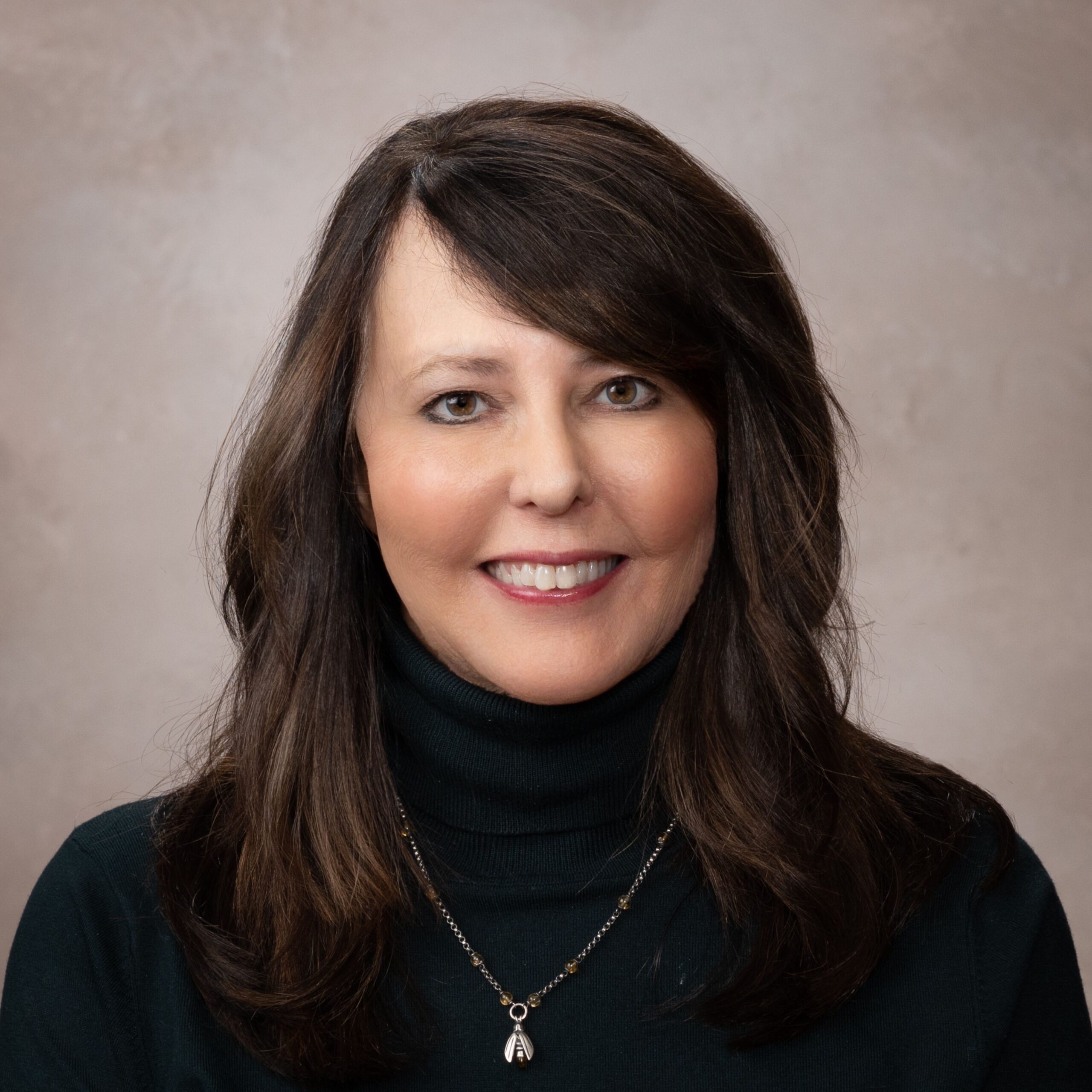 Jaime Vinck, MC, LPC, is President of Meadows Behavioral Healthcare, leading programs that help individuals and families heal. Recognized as one of Arizona’s Most Influential Women, she also serves as Vice Chair of the National Association of Addiction Treatment Providers.