

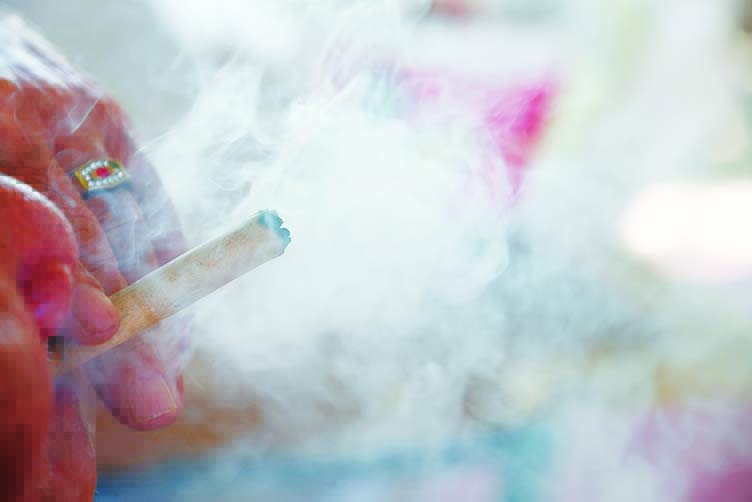
In addition to Alcohol, April is also National Cannabis Awareness Month. Cannabis use has become increasingly common among young adults, especially as legalization spreads across many regions. While some individuals view cannabis as relatively harmless, research shows that its use — particularly during late adolescence and early adulthood can have significant mental, physical, emotional, and spiritual effects. Young people between the ages of 18–25 are especially vulnerable to its effects because the brain is still developing during this period of maturation.
Mental Effects
One of the most widely studied impacts of cannabis on young people involves cognitive and psychological functioning. Cannabis affects the brain’s endocannabinoid system, which plays a key role in maintaining the body’s homeostasis, regulating sleep, mood, pain, appetite, memory, and decision-making.
Studies have found frequent cannabis use in adolescents and young adults is associated with reduced cognitive functioning, including difficulties with memory, attention, and executive function. (www.jamanetwork.com) The brain continues to mature into the mid-twenties, not fully developing the frontal lobe until around age 26. Cannabis exposure during this stage may interfere with normal neurological development, leading to difficulties in academic performance, reduced concentration, and impaired problem-solving abilities.
Mental health in young people can also be affected by cannabis use. Young people who use cannabis can be at risk for increased psychosis, depression, anxiety, and bipolar disorder. If the young person already has a mental illness, the use of cannabis may exacerbate the disorder.
Physical and Emotional Effects
Cannabis can also affect physical health. Smoking or vaping cannabis exposes the lungs to irritants that may cause coughing, bronchial irritation, and decreased respiratory function. Additionally, cannabis can impair coordination and reaction time, increasing the risk of accidents or injuries. Cannabis related DUIs are on the rise in recent years, due to the legalization of the drug. Dependence can develop at any time; however, young people may be more vulnerable to physical dependency due to peer pressure from friends, and the easier access to cannabis, now that it is legalized in many states.
Cannabis can also impact emotional well-being. While some young people may experience temporary feelings of relaxation or euphoria, cannabis may also contribute to mood instability, anxiety, or paranoia in some individuals. Young people who regularly use cannabis may experience decreased motivation, which can present as reduced interest in goals, academic work, or social responsibilities. Emotional regulation may also become more difficult, contributing to mood swings or irritability when not using the drug, a possible sign of withdrawal.
Cannabis-Induced Psychosis
One of the most serious potential consequences of cannabis use in young adults is cannabis-induced psychosis. Psychosis involves a loss of contact with reality and may include hallucinations, delusions, and disorganized thinking. Cannabis use—especially frequent or high-potency use—can trigger psychotic episodes in some individuals. Cannabis-induced psychosis may appear suddenly, often during or shortly after cannabis use. Symptoms can include hearing voices, intense paranoia, believing in false ideas, sudden mood shifts, or feeling detached from reality. I have seen a few cases where the young person has intense thoughts of suicide and is hospitalized as a result. Some cases resolve after the drug leaves the body, others may progress into longer-term psychiatric disorders such as schizophrenia, particularly in individuals with genetic or psychological predisposition.
Spiritual and Identity Effects
Beyond mental and physical health, cannabis can also influence spiritual development and personal identity. Many young adults are trying to find their purpose in life, figure out what they want to be when they grow up, and what they value in life. Frequent cannabis use may alter their perception, emotional awareness, and motivation in ways that affect spiritual growth. Some individuals report feeling more introspective or reflective while using cannabis, but others may experience detachment, confusion about identity, or reduced engagement in meaningful activities. Dependence on substances for coping or relaxation may interfere with the development of healthy coping skills, personal discipline, and being their authentic self.
Getting Help
Cannabis can influence mental health, cognitive function, physical health, emotional regulation, and even spiritual development, just as any other mind-altering drug can. One of the most concerning risks is cannabis-induced psychosis, which may trigger severe psychiatric symptoms and increase the likelihood of long-term mental illness. Understanding the potential effects of cannabis use on young people is critical to early intervention and treatment.
Individual therapy, intensive outpatient and partial hospitalization programs, and residential treatment are all options for young people who want to be in recovery from any mind-altering substance. Pairing treatment with psychiatric care can be an effective way to help reduce cravings and manage symptoms associated with a mental illness.
If you are struggling with cannabis dependency, or dependence on another mind-altering substance, help is available. Check out local resources in your community to get started on your recovery journey today.
 Amy Tilley, PsyD. has 20 years in the mental health and addiction recovery field. Her clinical interests include working with young adults and adults diagnosed with co-occurring conditions.
Visit desertstarARC.com or call 520-638-6000.