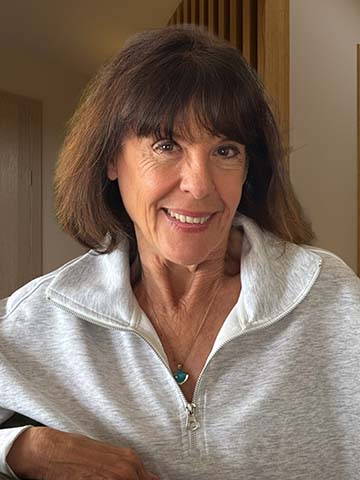

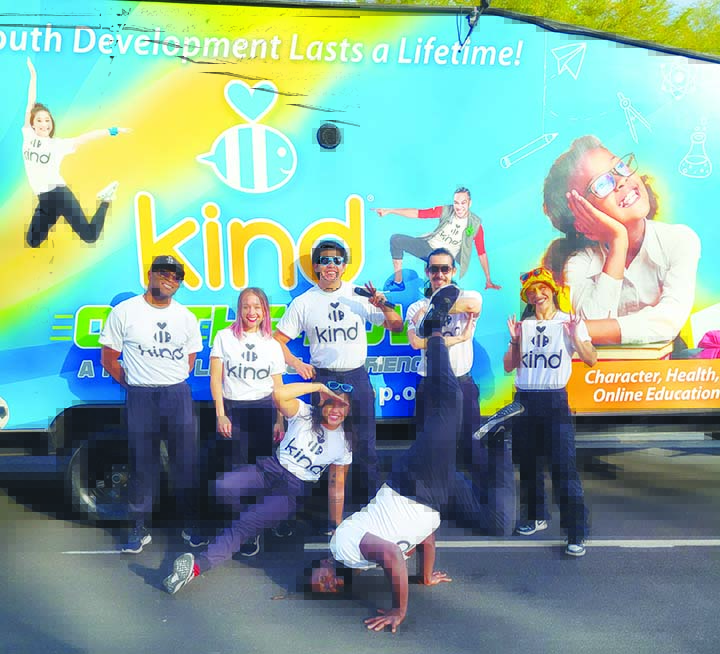
Founded in Arizona by Marcia Myers, The Be Kind People Project delivers high-energy school assemblies and on-campus programs designed to teach students empathy, inclusion and personal responsibility. The nonprofit is known for its interactive presentations and campus initiatives like its signature Buddy Benches, which encourage connection and provide students with a visible way to signal when they need a friend.
Now, Mesa city leaders are partnering with the organization to expand that mission into opioid prevention.
“What we have contracted with [The Be Kind People Project] to do is help with opioid addiction within our community,” Mesa Mayor Mark Freeman said during the program’s announcement. “So we figured the best group to target is young people, our junior high- and high school-aged students.”
He added that they are among the most susceptible to addiction. “They may go to a party or event and be given a pill or drink. They may not know what it is, but if we can raise awareness of that, then we can prevent addiction issues in the future.”
Since 2018, Mesa Fire and Medical has responded to more than 960 suspected opioid overdose incidents involving youth and young adults. According to a city of Mesa press release, the 2024 Arizona Youth Survey, found that more than half of local teens reported not recalling any public messaging about fentanyl dangers, while one in three had never discussed opioid risks with a parent or guardian.
BE KIND will take a multi-pronged approach to reach students through both traditional and modern platforms. In addition to its live elementary school performances, BE KIND will launch social media channels designed to engage middle school students and provide awareness resources for families.
“Maricopa County recorded one of the highest numbers of fatal overdoses, underscoring the urgency for local action,” says Executive Director of The Be Kind People Project, Julia Carlberg. “In hotspot communities like ours, school-based prevention must be prioritized.”
BE KIND is embracing a proactive prevention model rooted in transparency and early education, replacing silence with age-appropriate conversations about drugs and their risks.
“When kids feel connected, supported and equipped to manage stress, they’re significantly less likely to turn to substances,” says Carlberg.
That philosophy is reflected in strategies such as “One Pill Can Kill” messaging, which focuses on peer pressure and resisting drugs. It will also teach students how to spot fake pills.
“The messaging that we are trying to get out there for the city of Mesa is to help people understand that the drug environment has to change,” says Carlberg
All of this is made possible by a new Mesa community education and outreach grant, which awarded The Be Kind People Project just over $500,000. This allows The Be Kind People Project to integrate their programming into the schools directly as well as online.
“All of the schools in Mesa, the entire district, will be receiving public service announcements through the Canvas education app,” explains BE KIND’s Chief Operating and Programs Officer, Melissa Britt. “These will serve as lessons students can complete throughout the school year.”
BE KIND is also prioritizing two prevention areas: communication with parents and naloxone preparedness, an over-the-counter nasal spray that reverses opioid overdoses.
“Research shows teens are 83% less likely to misuse pills when parents talk early and often,” says Carlberg. “Families do not need to be experts. They simply need to start the conversation.”
By meeting students where they are, in schools and online, the nonprofit says its goal is to help young people make safe choices and prevent tragedy before it starts.
To learn more visit https://www.TheBeKindPeopleProject.org or https://www.behealthymesa.org