

I’ve always been someone who loves people deeply, but it took recovery to teach me how to love myself, too.
If you know me, have met me, or have listened to me interact with another human for more than ten minutes, there is one thing I hope and pray everyone feels when they walk away from me they were seen, and that they were loved.
Whoever they are. Wherever they come from. I never want to leave an interaction with another soul on this earth having offered anything less than presence, compassion, and care.
I’ve been told I have a “bleeding heart.” That I’m an empath. I feel too much. And I can see it in my conversations, in the way I listen, and in the work I’ve been called to do. Loving people has never been optional for me; it’s woven into who I am.
But here’s the paradox I’ve been learning — not just about surviving, but about truly thriving as someone who is deeply love-driven.
For a long time, I believed the more overcommitted, exhausted, and spread thin I was, the more I served others. The more I put everyone else’s needs above my own, the more worthy I would become. Somewhere along the way, I bought into the myth that hustling for love would produce love. That running myself into the ground for others would somehow fill the empty places inside me.
What I’ve learned instead is this: the more exhausted, overextended, and depleted I became, the less able I was to show up for anyone, including myself. That sneaky ego crept in. Service turned into validation-seeking. Love turned into people-pleasing. And suddenly, it wasn’t about connection anymore, it was about approval. Eww.
The shift didn’t come when life got easier. It came when I finally decided I deserved recovery, not just abstinence, not just survival, but healing. It came when my sponsor loved me while I learned how to love myself. When I stood in front of a mirror and, regardless of whether I believed the words yet, I chose to say them anyway. “Hey girl. I love you.”
Not because I felt it. But because recovery taught me that sometimes love is a decision long before it becomes a feeling.
As I began to offer myself the same grace, encouragement, and non-judgmental empathy I had so freely given to everyone else, something changed. I started showing up differently- not depleted, not desperate for affirmation- but grounded. Whole. Present.
And from that place of wholeness, life began to grow in ways I never could have orchestrated.
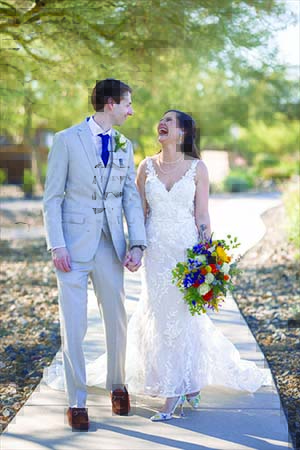
One of those gifts was marrying the love of my life— something I truly never saw coming. We met in the very place where we had both found healing. A place where we were no longer just surviving but learning how to live. A place where we were working to offer hope to others walking the same road we once had. He is in recovery too. Our love was born not out of chaos, but out of honesty, stability, and shared healing. That kind of love doesn’t happen without the work.
If I truly care about showing up for others-about genuinely and authentically serving hurting hearts— I have to show up for myself first. I have to give Jamie the same compassion I give the CEO and the homeless addict alike. The same cheers. The same belief. The same grace.
Because if I don’t love the woman I fought so hard to become with the same reckless abandon I hope to love the world with, I will always wonder why my car keeps running on empty.
Of all the souls I long to fully show up for in this life, she has to be first in line.
And here’s the beautiful truth: the love I give to Jamie, first doesn’t stay there. It spills outward. It strengthens my marriage. It deepens my friendships. It makes my service sustainable instead of sacrificial.
Selfless service doesn’t begin with self-neglect.
It begins with self-respect.
It’s not about me. But it does start with me.
And today, when I look myself in the mirror and say, “I love you,” I finally believe it.
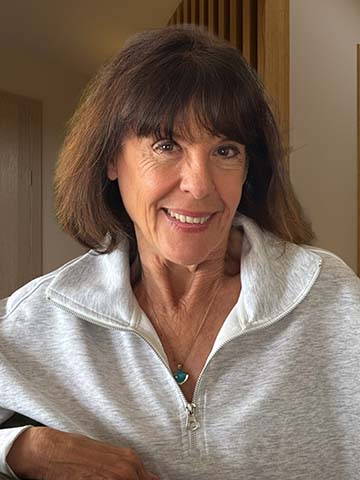
 Jamie Humphrey is a woman in recovery who believes healing is possible for anyone. She lives in Phoenix Arizona with her husband, whom she met while both were doing the work of recovery and helping others find hope. Jamie walks alongside adolescents and their families seeking healing and hope at Horizon Recovery.