


February often puts love on display — cards, flowers, grand gestures—but for those in recovery, love can feel complicated. Many of us are learning how to love ourselves for the very first time. And unlike the kind of love marketed this month, self-love isn’t flashy or romantic. It’s quiet. It’s consistent. It’s a practice.
In recovery, self-love doesn’t mean always feeling good about ourselves. It means staying present with ourselves even when we don’t want to. It means choosing care over criticism, curiosity over shame. This is where yoga becomes a powerful ally.
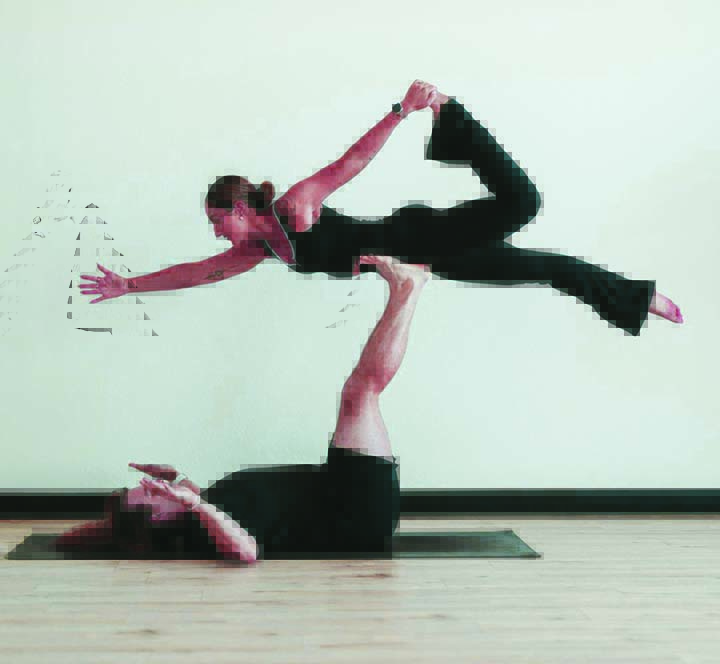
Yoga, at its core, is not about flexibility or perfect poses. It’s about relationship — how we relate to our bodies, our breath, and our inner world. For many people in recovery, the body has not always felt like a safe place to live. Yoga offers a way back home, slowly and on our own terms.
On the mat, self-love can look surprisingly simple. It’s noticing when you’re holding your breath and choosing to soften. It’s resting when your nervous system says “enough.” It’s realizing you don’t need to push, prove, or perform to be worthy of taking up space. In a culture that often celebrates extremes—work harder, go deeper, push through—yoga invites something radical: listening.
This kind of listening is especially meaningful in recovery. Addiction and mental health struggles often disconnect us from our internal signals. Yoga helps rebuild trust with the body, one breath at a time. When we learn to feel safe, we learn to care for ourselves differently. We start recognizing the early signs of stress before they turn into overwhelm. We begin responding instead of reacting.
February’s theme of love offers a powerful reframe
What if love isn’t something we earn after we “fix” ourselves? What if love is the way we show up for ourselves right now—imperfect, healing, and human?
Self-love in recovery might look like choosing rest instead of numbing. It might look like setting boundaries that feel uncomfortable but necessary. It might look like returning to your yoga mat after a hard day and letting that be enough. Yoga doesn’t promise to remove discomfort, but it teaches us how to be with it skillfully. Over time, that skill builds resilience. And resilience builds freedom.
This month, instead of asking “How do I love myself better?” we might ask, “How can I practice kindness toward myself today?” The answer doesn’t need to be big. It might be a five-minute breathing practice. It might be a gentle stretch. It might simply be placing a hand on your heart and acknowledging that you are trying. In recovery, that willingness—to stay, to feel, to care—is love in action. And that kind of love is worth practicing all year long.
Join us on the mat for some self love this month at The Spiritually Fit Co-Op- where self love is practiced every month out of the year- not just in February.
For class schedules and more info visit https://spirituallyfitco-op.com/