

 Spotlight
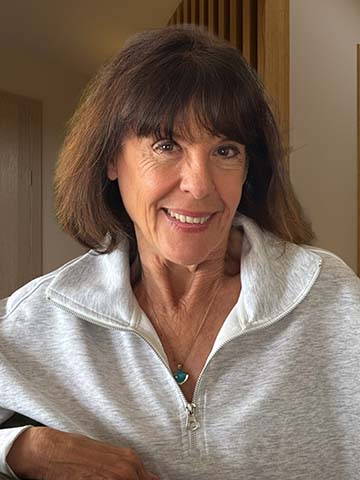
A Conversation with Jaime Vinck
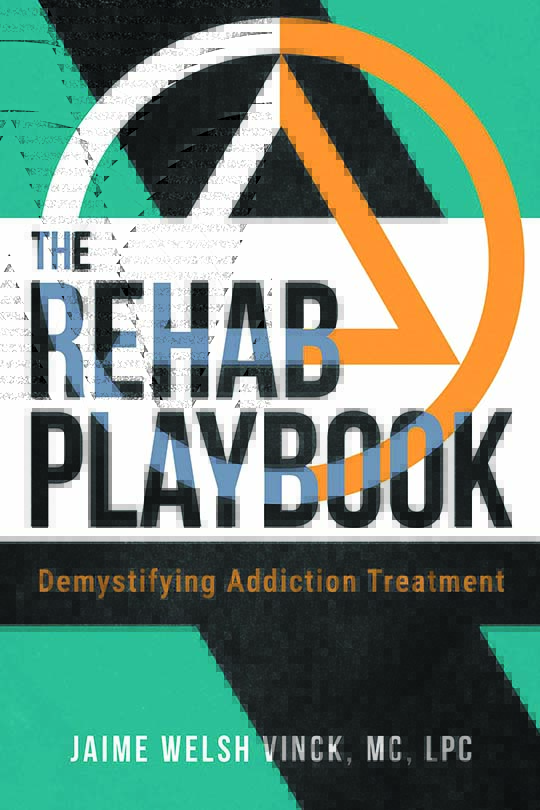
The Rehab Playbook is a practical guide for recovery and treatment. Was demystifying the rehabilitation process for readers a key motivator?
The motivation for this book was two fold. First, we know that only 1 out of 10 people who need addiction treatment get help. I wrote the book to reach the other 9. How? By looking at treatment from the inside out, drawing on my 20 years of experience doing the work. Part of this ‘pulling back the curtain’ is introducing those who are struggling to those who are doing the work. I’ve always felt that if they could meet my colleagues who clearly dedicate their lives to the healing of others, some of the fear might dissipate. We are all wounded healers and treatment is a no judgment zone.
What are the biggest barriers to receiving addiction treatment today? Are the primary obstacles stigma, shame, fear, financial limitations, or a combination of factors?
All of the above! We have come a long way since COVID in reducing the stigma for seeking help, however, it still exists. There are so many layers to the fear. Everything from facing our demons to finding the financial, personal and professional resources to make it happen— to fear of the unknown. What goes on behind those walls anyway?
There is still so much confusion out there. The other factor that I find extremely frustrating and makes me a bit angry is the negativity addiction treatment gets. A recent book actually called Rehab – An American Scandal portrays us in the worst possible light. As The Playbook describes, there are good guys and bad guys in every profession. There are far more good than bad in the work we do. I have a healthy fear that if someone who is struggling reads the “Scandal” book —they will talk themselves out of seeking help. It feels like fear mongering to me. Truth of the matter is — many people out there get better every day and there is reason to hope!
For individuals who want to get clean and sober but have limited financial resources, what are your most practical recommendations for finding accessible support and treatment options?
One of the beautiful things about the Affordable Care Act is that it made SUD Treatment a mandated covered benefit for commercial insurance — like any other health condition. Someone can get fine treatment using commercial insurance. There are solid programs that accept Medicaid, Medicare and VA benefits. There are also charitable organizations such as 10,000 Beds and Til Valhalla for Veterans that help connect folks with treatment.
The chapter “Family Matters” addresses the profound impact destructive behaviors has on the family and friends of an addict. Why is supporting the entire network around an individual with addiction—not just the person receiving treatment—so critically important?
I learned years ago that addiction is a family disease. The one who goes to treatment “the identified patient” can’t be the only one to change. So often I would see someone have a beautiful treatment experience and then go home to the same dysfunction and be completely derailed. It’s also important that the loved ones learn about the neurobiology of addiction and that first of all, it’s not about them, and second, their loved one can’t “just stop”. It’s about providing the much-needed support and education, as well as allowing a safe space for loved ones and patients to share their own regrets, resentments and appreciations. When writing The Rehab Playbook — I knew it was important to design a section that would speak to the loved ones “Fans and Families” and what they were feeling. Families and loved ones deserve hope and healing as well!
With so much information available online, and most treatment facilities having an online presence, what is your advice for researching and vetting facilities to find the best fit, beyond relying on top Google search results or an attractive website?
There is SO much information out there through Google search and now Open AI. I spend a great deal of time on The Playbook clarifying what good treatment looks like, and where/how to find it! It’s tricky because so often folks are looking for treatment when they are in crisis and will take the first most reasonable option available. Becoming a student of addiction and treatment BEFORE the crisis, was another goal of The Playbook. I go so far as providing suggested questions and to whom to make the best decision.
What is your hope for the future for the recovery industry?
Expanded access to high quality, equitable and affordable care. Achieving this outcome is contingent upon the consistent delivery of ethical, measurement-based treatment across all levels of care. I also hope and pray that we can work collaboratively to convince payers to reimburse at rates that allow us to meet rising costs, and to have influence over public policy on both State and Federal levels so that we don’t lose the ground that we have made over the past several years. I also would like to see more diversity in our leadership in the recovery industry, so that our leaders reflect our patient populations.
The Rehab Playbook is available at amazon.com
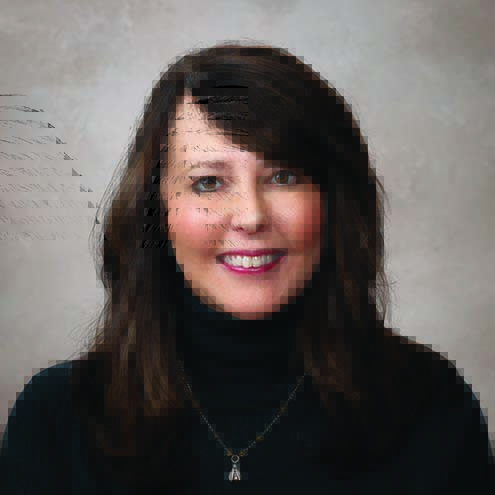 Jaime Vinck, MC, LPC, is President of Meadows Behavioral Healthcare, leading programs that help individuals and families heal. Recognized as one of Arizona’s Most Influential Women, she also serves as Vice Chair of the National Association of Addiction Treatment Providers.
For help or more information, visit https://www.themeadows.com or call 866-244-4949.